CARRY ON GLAMPING
Eco-credentials and a unique experience are top of the list when it comes to maintaining that all-important occupancy rate, reports Judith Wojtowicz

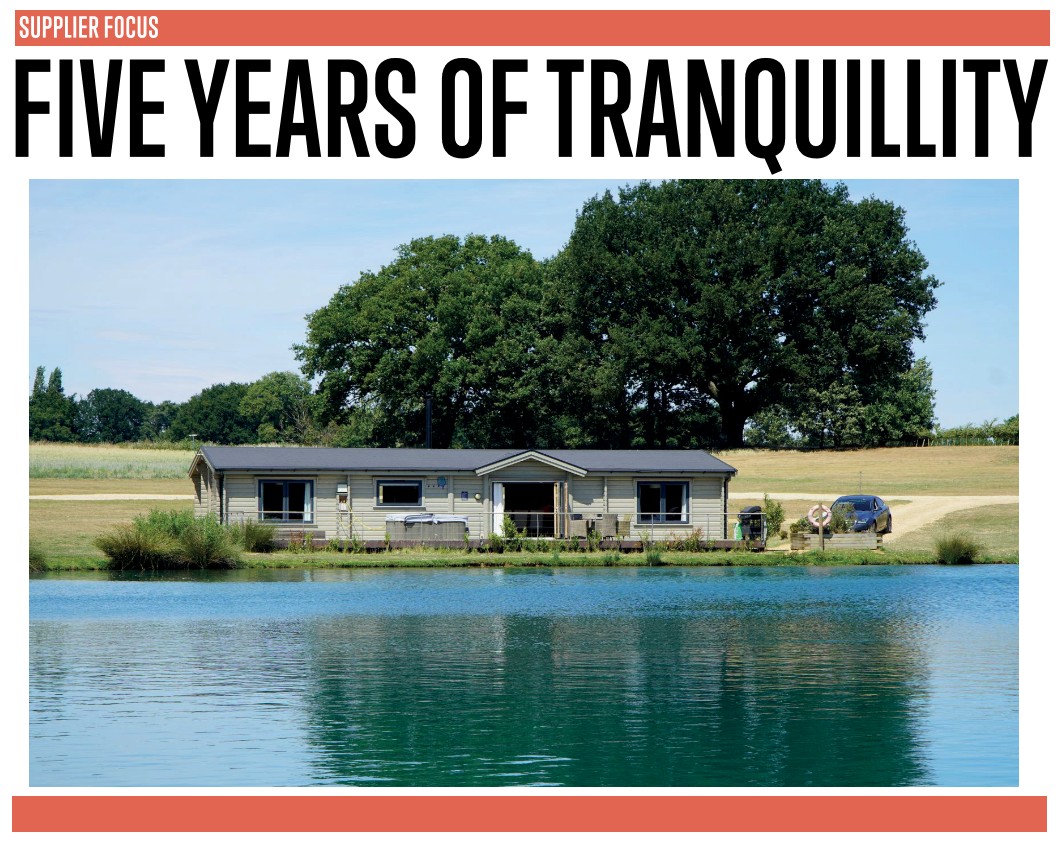
PEACE AND TRANQUILLITY in the Malvern Hills, a project developed by The Rural Planning Co
Getting up close and personal with a llama might not be everyone’s idea of a perfect holiday break. But at Glamping with Llamas on the border of Norfolk and Cambridgeshire, it is the ultimate in experiential glamping. The clue is in the name… a herd of ‘off duty’ grazing llamas are well used to visitors walking among them.
At 6pm each day, in the words of Tina Gambell, they are ‘on duty’ as she and husband Chris feed, groom and demonstrate how to handle them, sharing with visitors keen to learn more about these gentle creatures. The couple set up their business after realising their paddock pets had potential to offer a unique visitor experience.
“The difference here is that we encourage our guests to walk among the llamas and interact with them where similar sites seem to keep their animals behind a fence,” said Tina. One of their llamas acted as ring bearer for a summer wedding… a truly immersive and unique experience.

A WOOD-BURNING STOVE at the heart of this well-appointed safari tent is ideal for chilly nights at Meadowfield
SELLING POINTS
“The market is becoming saturated but for sites with a genuine usp, even those who are watching their pennies, will return if they enjoyed a memorable and unique experience,” added Tina, who is developing their wedding offering for the coming year. The word ‘experience’ is cropping up more and more as market growth slows, having seen an explosion of interest during the pandemic as people sought ‘outside’ holiday options.
While some pop-up sites and less-well managed businesses have since vanished, there is still much to choose from, be it a £60 per night cabin with shared shower block or high-end glamour from £200 upwards. In the absence of definitive data, anecdotal evidence seems to indicate glamour alone is no longer enough. Among the fast-growing millennial crowd, priorities include an eco-friendly offering combined with glorious setting and 5-star plus luxury… picture perfect for Instagram.
They want quirky en suite accommodation, think treehouse, geodome, gypsy caravan, stargazer tent, yurt, exotic tipi or converted vintage vehicles, with added value such as spa, wellness activities, nature trails and even the services of a top-class professional chef. Green tourism is a big trend with all ages, as people actively seek a glampsite that embraces sustainability, reducing their carbon footprint and getting close to nature.
One such is Brownscombe Luxury Glamping in Devon whose far-ranging sustainability policy has seen it win the Green Tourism Gold Award three years running. Its commitments include using third-party suppliers who follow similar principles such as the local laundry that has invested in biomass and solar technologies to minimise their impact on the environment, not to mention a water borehole.

SUNRISE: There’s glamping and then there’s Glamping with Llamas.
A fine example of a circular economy designed to reduce waste and protect the environment. Sarah Riley, founder of The Glamping Academy helps would-be hosts around the world to design their dream eco-accommodation. She told us: “Only ten years ago a bell tent in a field was enough of an attraction because it was seen as new and different.
Today, as well as a wonderful location and amazing interiors a successful business needs to maximise the guest experience.” All those things can be found at The Little Shire in Somerset, whimsical hobbit houses built partly underground… fit for hobbits and humans, says Adelle Hobbs, who added glamping to an established commercial operation within a converted dairy farm.
A selection of independent shops and eateries, plus black-nosed valois sheep and friendly alpacas make for a memorable setting. There is even a hobbit playhouse for children.

UP CLOSE and personal with Ria the llama.
COSY AND WARM
The houses are fully insulated with underfloor heating. While this makes them cosy and warm enabling year-round occupancy, they are energy hungry which is cause for concern amid rising costs. Fresh water comes from a borehole and the site has its own waste system.
Having welcomed her first visitors in May last year, after a four-year planning process interrupted by the pandemic, Adelle was fully booked very quickly and is anxious not to lose that momentum. Marketing is an ongoing challenge a role she has now passed on to a professional agency to relieve her of the ‘mind-boggling stress’ that kept her awake at night worrying about the online booking system and social media.
“I am great with people, and I love this lifestyle, but the key thing when starting out is to treat it as a journey of self-discovery, she said. “Learn what you can and can’t do and accept advice and help whether it be technical, practical physical tasks or the all-important planning stage.” In contrast, Meadowfield Luxury Glamping in Warwickshire is part of a working arable farm offering a ‘hands on’ experience to guests who stay in luxuriously appointed safari tents.
Their farm tour, by third generation farmer David Mold, is an education for all ages, especially children who have never seen a combine harvester or those who have no idea where food comes from. His wife, Jules, who was a panellist at The Glamping Show recently, has turned a four-acre meadow, seeded with wildflowers as part of an environmental project, into a thriving glampsite running between April and October.

THIS LOTUS BELLE STARGAZER Tent sleeps 10 in a one-acre paddock at Glamping with Llamas
“The site is set just off the yard, so guests are close to nature while also getting a close-up view of farm life,” said Jules. Her advice to newbies, as she explained at the show, is to do their homework and take the time to research and draw up a viable plan. And she adds a health warning: “Unless your heart is really set on it, my advice is to think twice,” she said.
“You will spend more, and work harder than you ever imagined although positive feedback is so rewarding and makes the effort worthwhile.” Diversification of this kind was one of the market drivers before Covid, farmers and landowners able to access grant funding from government and other sources to support and enhance rural life.
While this is still the case, there are signs landowners are now partnering with outside investors to monetise the opportunities. They recognise the potential for good return and see glamping as a short-to-medium term project, incorporating an exit strategy into a five-year business plan.

PHEW… it’s hot here! Llamas seek the shade on a hot summer’s day
CHANGING TRENDS
As the market evolves, this is one of the changing trends noted by The Rural Planning Co, former land agents who specialise in working with new operators. Sophie Blandford, business development and marketing manager, told us: “Ahead of Covid there was real buoyancy and excitement in the market and while that pace has slowed, 2021 was a fantastically successful year because of the ongoing uncertainty of overseas travel which boosted the ‘staycation’.
“The staycation market looks set to stay although popular coastal areas and areas of outstanding natural beauty are becoming saturated. When it comes to applying for planning permission, many local authorities will be keen to capitalise on the tourist pound. The consumer will vote with their feet in a crowded market so providing options in less obvious places is probably where the best opportunity lies at the current time.”
Hotels, holiday and caravan parks and even historic houses are getting in on the act, likely to generate even more competition in the future as they have their own traditional audience and are located away from the hustle and bustle of those saturated areas. “On the positive side, there is plenty of room for creativity and good return on investment, as long as the proposal is based on sound planning and in-depth research.” added Sophie.
-

-
IMAGINE HAVING MORNING coffee and seeing llamas ambling past.
-

-
INSIDE THEWABBIT: Well-equipped and cosy hobbit house with underfloor heating for year-round comfort.
-

-
THE LITTLE SHIRE… a truly whimsical retreat, fit for hobbits and humans!
-

-
THE LITTLE SHIRE… a truly whimsical retreat, fit for hobbits and humans!
-

-

-
PICTURE PERFECT setting at The Little Shire for those social media snaps